From Billboards to Bus Shelters: Outdoor Advertising Tips for Construction Companies
July 22, 2023
Constructing a Strong Online Presence: Tips for Effective Digital Marketing in the Construction Industry
July 22, 2023
Introduction
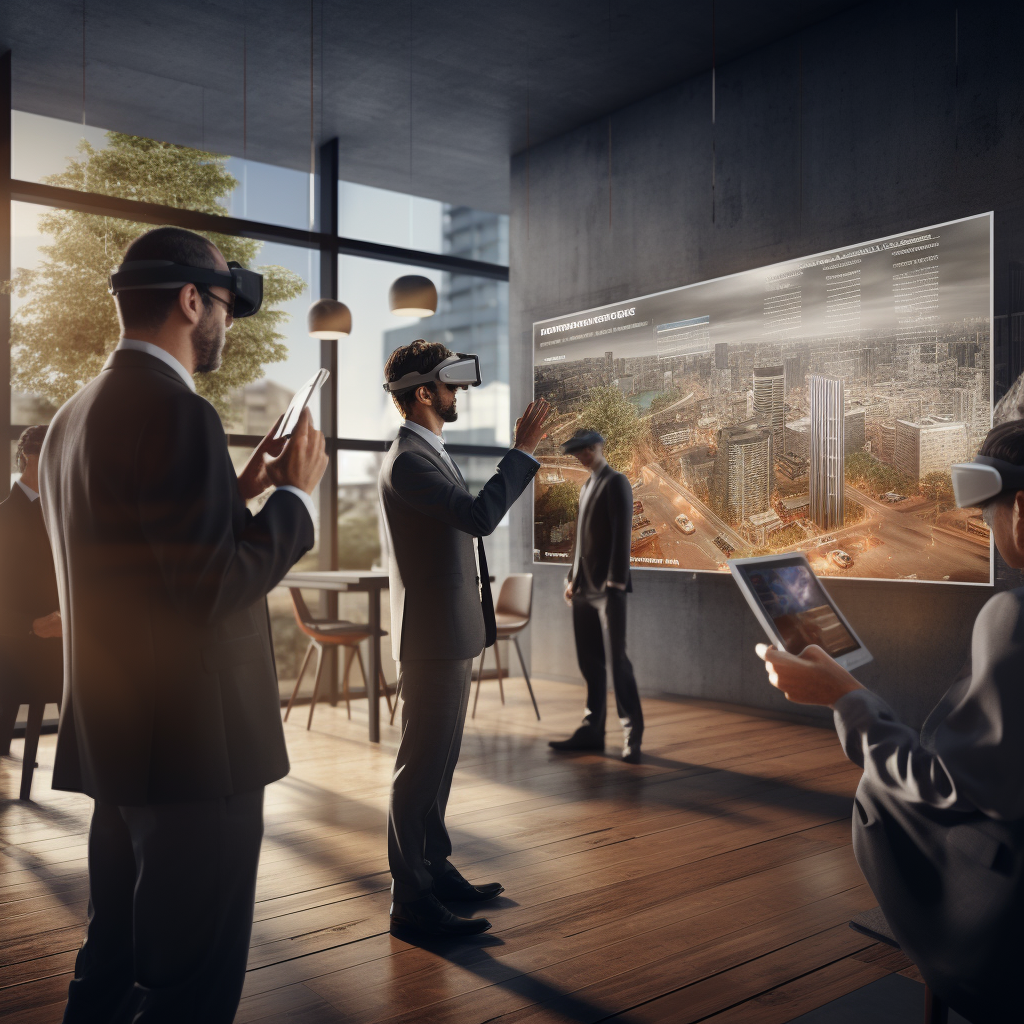
In the dynamic world of architecture, captivating potential clients and showcasing your vision is crucial. As UK professionals, you understand the need to constantly innovate and stay ahead of the competition. Fortunately, a groundbreaking tool has emerged that not only promises to transform your marketing strategies but also revolutionize the way you present architectural designs: Virtual Reality (VR).
Virtual Reality is not just the stuff of science fiction anymore. It has rapidly gained popularity in various industries, and architecture is no exception. Embracing this technology can give your firm a competitive edge and help you create remarkable experiences for your clients.
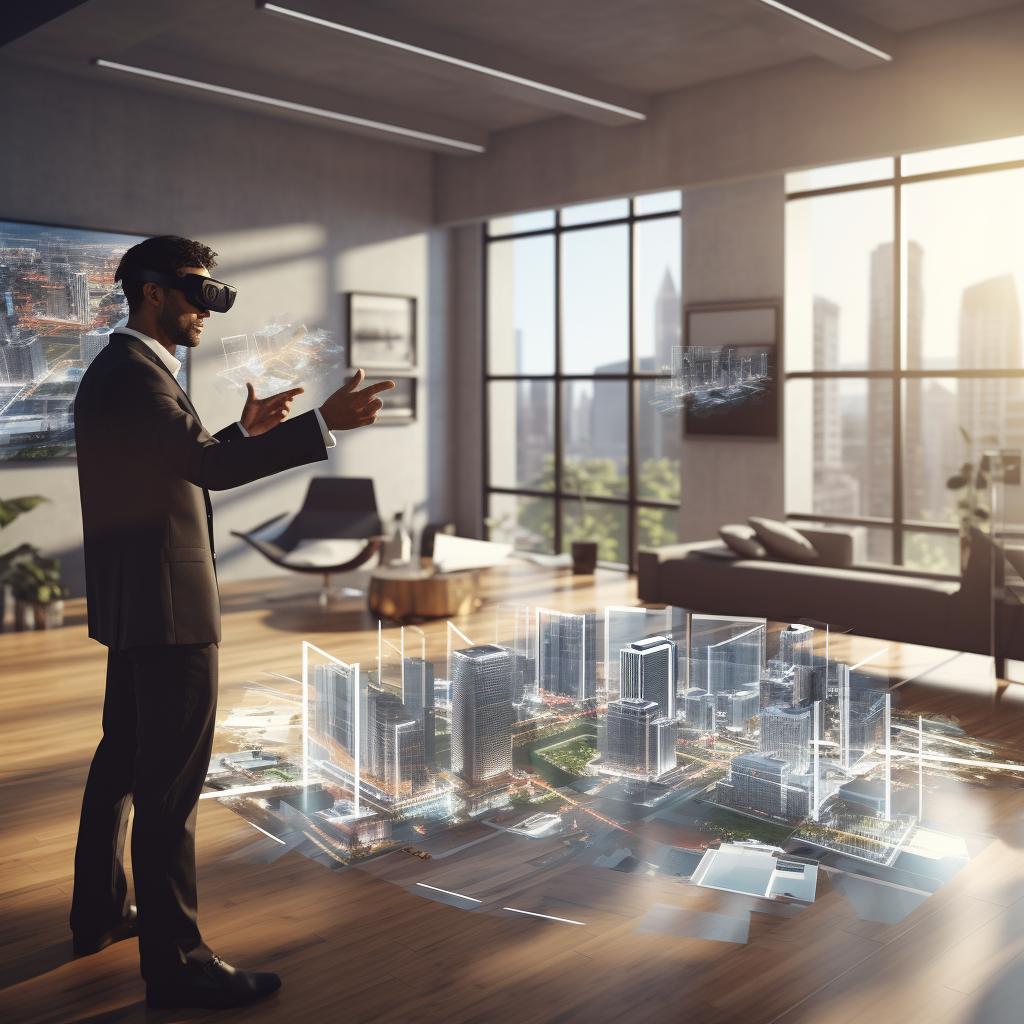
So, what exactly is Virtual Reality, and how can it benefit your architecture marketing efforts? In simple terms, Virtual Reality refers to a simulated environment that can be explored and interacted with by an individual using computer-generated visuals and a virtual reality headset. It immerses users in a three-dimensional world, allowing them to experience spaces and designs before they are even built.
The potential of VR in architecture marketing is immense. It enables you to vividly bring your designs to life, captivating clients like never before. By using VR, you can offer virtual tours of your projects, allowing clients to explore the spaces from every angle. This not only helps them visualize your concept effectively but also showcases your attention to detail and commitment to delivering impeccable results.
One of the significant advantages of VR in architecture marketing is its ability to elicit emotional responses. When your clients virtually step into the environments you’ve created, they can immediately develop a deeper connection and understanding of your design. This emotional engagement is invaluable, as it allows you to communicate the essence of your vision in a far more compelling way than traditional 2D renderings or physical models ever could.
Additionally, VR empowers you to make real-time adjustments to your designs. With immediate feedback from clients, you can tweak aspects of your projects, enhancing the overall experience for all stakeholders involved. This collaboration fosters trust and confidence, as your clients feel actively involved in the design process. By providing them with the opportunity to offer suggestions and see them come to life virtually, you establish a stronger and more collaborative relationship.
Implementing Virtual Reality into your architecture marketing strategy doesn’t have to be daunting. Here are some practical steps to get you started:
- Choose the right VR platform: Research and identify a VR platform that suits your firm’s needs and budget. Factors to consider include ease of use, compatibility with your existing design software, and the level of technical support available.
- Develop high-quality VR simulations: Invest in creating visually stunning and accurate VR simulations of your projects. Ensure that every detail, from the floor plan to the finishes, is faithfully represented.
- Create immersive experiences: Think beyond just visual elements. Consider incorporating ambient sounds, textures, and interactive elements that engage your clients on a deeper level.
- Incorporate VR into your marketing materials: Feature your VR experiences prominently in your website, social media platforms, and presentations. Showcase how VR enhances your ability to communicate your designs effectively.
- Seek expert guidance: Engage with VR professionals who specialize in architecture marketing. Their expertise will help you create impactful VR experiences tailored to your specific needs.
By embracing Virtual Reality, you can transform your architecture marketing strategies and elevate your firm’s success. It’s crucial to remember that VR is not simply a trend but a powerful tool that is here to stay. The immersive and emotionally resonant experiences it offers will continue to captivate clients and revolutionize the industry.
In conclusion, as UK professionals, you have a unique opportunity to take the lead in adopting Virtual Reality and revolutionize architecture marketing practices. By leveraging this technology, you can provide extraordinary experiences for your clients, foster collaboration, and differentiate your firm from the competition. Embrace Virtual Reality today and embark on a journey to transform the way you present and market your architectural designs.
Сase study
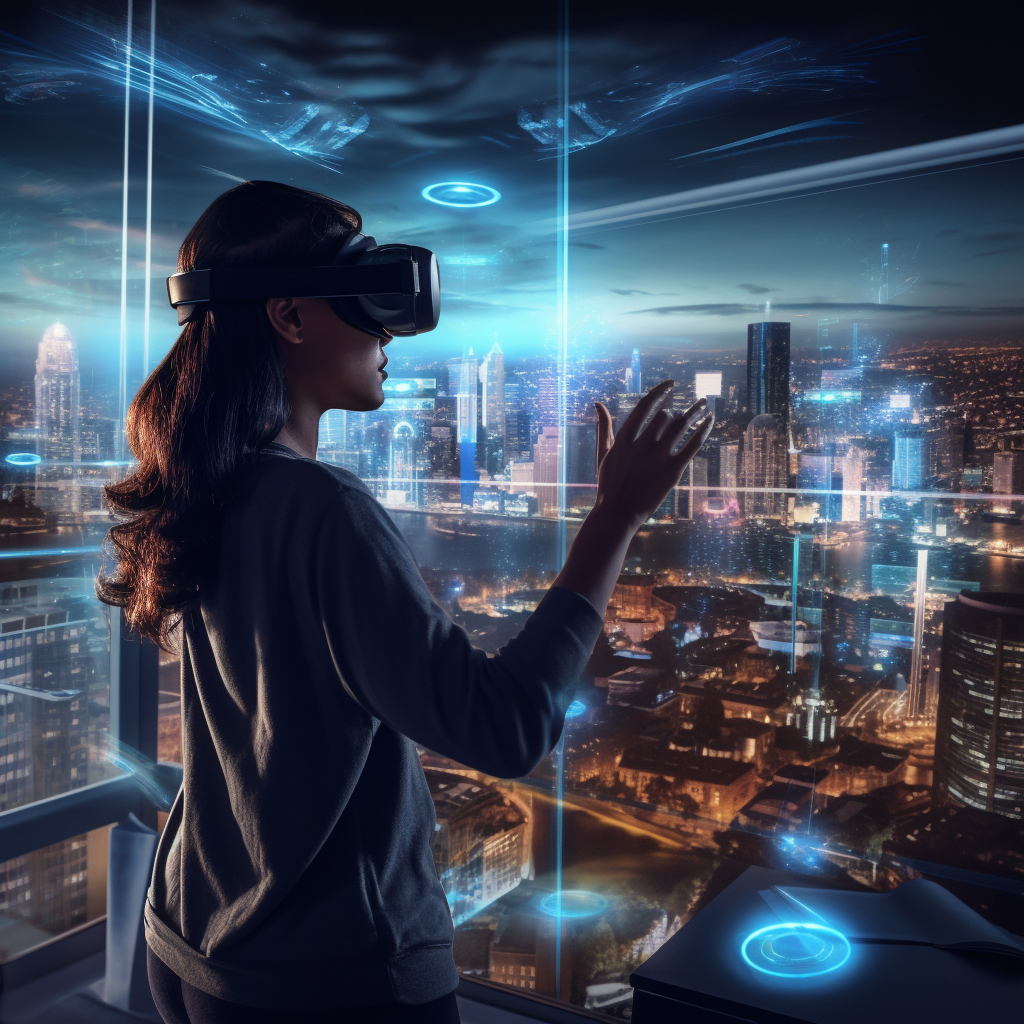
Let’s dive into a case study that showcases the practicality and real-world relevance of using Virtual Reality in architecture marketing.
Imagine a UK architecture firm called “Design Innovations” that specializes in creating sustainable and eco-friendly residential and commercial buildings. They have successfully embraced Virtual Reality as a central component of their marketing strategy.
Design Innovations understands that potential clients often struggle to fully visualize complex architectural designs from traditional 2D renderings or physical models. They want to provide an immersive experience that allows clients to truly understand and appreciate their vision. That’s where Virtual Reality comes in.
Firstly, Design Innovations carefully selects a VR platform that aligns with their specific needs. They opt for a user-friendly and budget-friendly platform that integrates smoothly with their existing design software.
Next, they invest time and resources in developing high-quality VR simulations of their projects. They ensure that every aspect of the design is faithfully represented in the virtual environment. This includes accurately depicting the floor plan, materials, lighting, and even the surrounding landscape.
To create an immersive experience, Design Innovations goes beyond the visual elements. They incorporate ambient sounds, textures, and interactive elements that engage clients on a deeper level. For example, clients can virtually walk through the property, open doors and windows, change lighting settings, and even experience the views from different floors or rooms.
Design Innovations integrates these VR experiences into their marketing materials prominently. They feature virtual walkthroughs and tours on their website, social media platforms, and presentations. They showcase how Virtual Reality enhances their ability to effectively communicate their designs, providing potential clients with a rich and captivating preview of what they can expect.
To further enhance their VR marketing efforts, Design Innovations seeks expert guidance from VR professionals with a specialization in architecture marketing. These experts understand the unique challenges and opportunities in the industry and help Design Innovations tailor their VR experiences to their specific target audience.
As a result of incorporating Virtual Reality into their architecture marketing strategy, Design Innovations experiences significant benefits. Firstly, they have seen an increased conversion rate of potential leads into actual clients. The immersive and emotionally resonant experiences provided by VR help potential clients develop a deeper connection with the firm’s designs, leading to a higher likelihood of choosing Design Innovations for their projects.
Additionally, the use of VR has fostered stronger and more collaborative relationships with their clients. By involving clients in the design process through real-time adjustments and feedback, Design Innovations builds trust and confidence. Clients feel actively involved, valued, and invested in the final outcome, leading to a more successful and satisfying project experience.
In conclusion, Design Innovations’ case study highlights the practicality and real-world impact of implementing Virtual Reality in architecture marketing. By leveraging VR technology, Design Innovations has been able to provide extraordinary experiences for their clients, differentiate their firm from the competition, and ultimately revolutionize the way they present and market their architectural designs. UK professionals can take inspiration from Design Innovations and embark on a similar journey to transform their own architecture marketing practices.
Revolutionize your architecture marketing today by embracing Virtual Reality. With its ability to bring designs to life and elicit emotional responses, VR is a powerful tool that can captivate potential clients and set you apart from the competition. Follow these practical steps to get started: choose the right VR platform, develop high-quality simulations, create immersive experiences, incorporate VR into your marketing materials, and seek expert guidance. Don’t miss out on the opportunity to transform your architecture marketing strategies and elevate your firm’s success. Embrace Virtual Reality and embark on a journey to revolutionize the way you present and market your designs. Contact us now to learn more and start your journey to success.
Take your architecture marketing to new heights with Virtual Reality. Start revolutionizing your designs today!