
Practical Guide to Eco-Friendly Building and Renovation Materials
September 3, 2023
Revolutionizing Construction Marketing: Innovative Strategies to Stand Out in the Industry
September 3, 2023
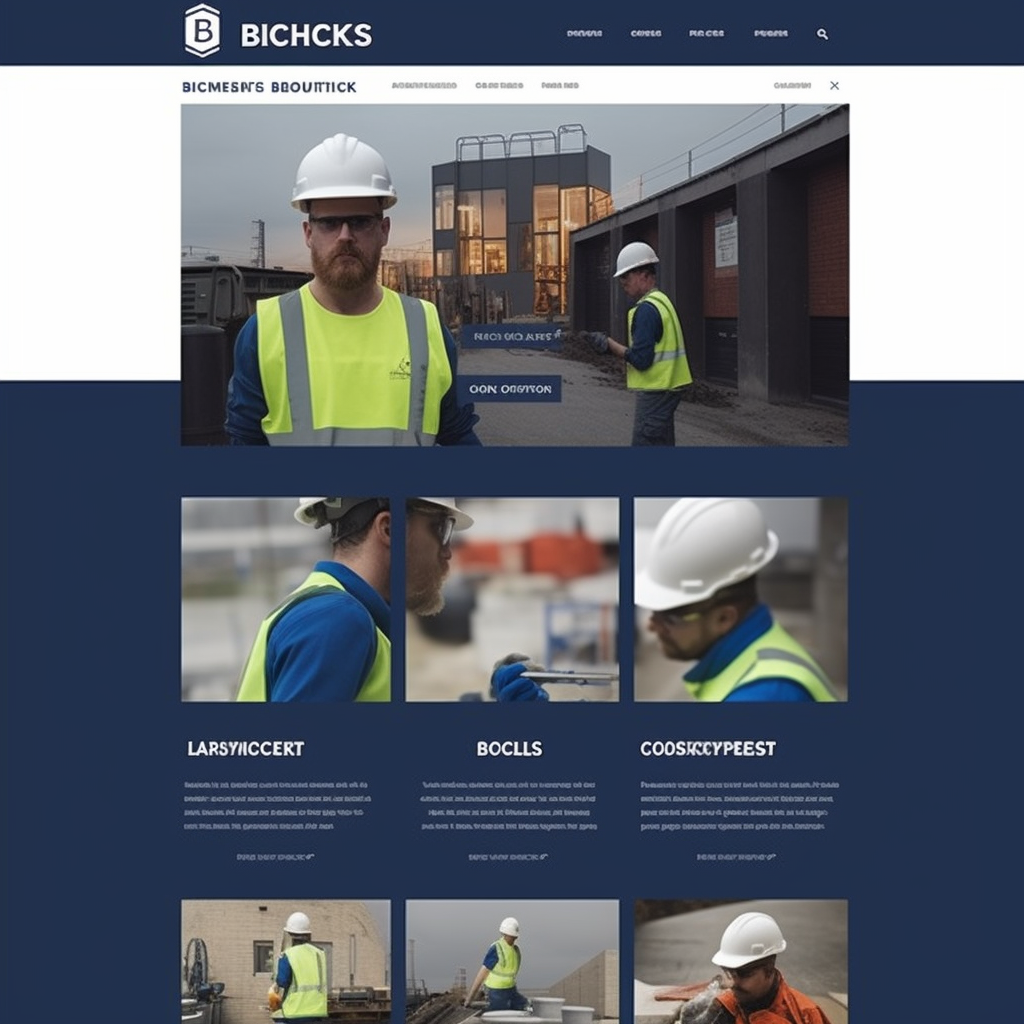
In today’s digital world, a thriving online presence is not merely an option; it’s a necessity. As a UK-manufacturing organisation, whether you’re engineering garment dyes or creating bespoke machinery, your website should be more than a digital showroom. To genuinely rival global competition, your online presence must offer an immersive, enriching and seamless user experience (UX). This piece, titled “Elevate Your Digital Presence: User Experience Design for British Manufacturing Websites,” delves into the significance and applicability of UX design in the UK manufacturing industry.
UX design, at its core, is about creating straightforward, efficient and pleasurable web interactions for your users. Fantastic UX is integral to enhancing customer satisfaction and loyalty by improving the usability and ease of interaction with your website. As such, a profound understanding and implementation of UX design is a game-changer, particularly in the manufacturing sector, renowned for its perceived complexity.
Creating an Intuitive User Journey
A well-designed manufacturing website needs to present complex data in an accessible manner. Remember, your website is not just about showcasing your end products but walking users through the manufacturing process. It’s about telling a story that resonates with your audience – generating a shared understanding and appreciation of your production process, your company values and, ultimately, your brand.
A user-friendly website provides intuitive navigation with clear calls to action (CTAs), sufficient product details, and answers to anticipated user queries. Quick access to vital information such as contact details, quotation forms and customer service support can mark the difference between a potential lead lost to annoyance or a converted, satisfied client.
Mobile-Friendly Design
With the meteoric rise of smartphone usage, neglecting mobile design equates to dismissing a vast chunk of your potential audience. When websites ignore the needs of mobile users, the user journey becomes a struggle, causing frustration and abandonment. Ensuring your website is mobile-friendly with responsive design brings every user, regardless of device, into your fold.
Use of High-Quality Media
Your products are your best salespeople, so make sure they shine. High-quality images and videos of your manufacturing processes not only lend credibility to your brand, they also enrich the user’s experience by visually guiding them through their buyer’s journey. What’s more, interactive elements such as virtual tours, 360-degree images, or AR demonstrations can pique user engagement and curiosity.
Incorporating User Feedback
Your users are laden with insights about your digital presence. User feedback is a blueprint to what works well and what requires refinement on your website. Regularly incorporating this feedback can help create a more personalised, rewarding experience for your audience–an asset that pays dividends in today’s customer-centric markets.
Conclusion
A successful website communicates your unique story while ensuring hassle-free navigation for its users. For British manufacturing companies, striking a balance between showcasing technical prowess and creating a seamless UX design can transform your online presence from a mere digital brochure to an influential marketing tool.
As we venture further into the digital age, an understanding and application of UX design principles is no longer just the purview of tech companies. Instead, it’s an essential digital strategy for all industries, not least the manufacturing sector. By leveraging effectual UX design, British manufacturing websites can better engage users, build brand loyalty, and ultimately, elevate their digital presence.

Case Study
Hughes Engineering’s UX Design Transformation
Hughes Engineering is a leading UK manufacturing company, specialising in the production of heavy-duty machinery. Despite its standing in the industry, the company faced dwindling lead generation from their website. A UX design overhaul was in order, and the results were transformative.
1. Streamlining Information Presentation
Hughes’s original website was chock-full of technical specifications, CAD drawings, and product tables. While comprehensive, this information overwhelmed users, rather than guiding them. For their UX redesign, they decided to focus on streamlining data presentation.
Easy-to-understand infographics replaced the complex tables of measurements. Interactive videos now demonstrated the machinery in action, allowing users to see the products in a real-world context. The impact was immediate. Within a month after implementing these changes, Hughes saw an increase in time spent on their website and queries on their Contact Us page.
2. Mobile-Friendly Redesign
The old website was not mobile-friendly, a missed opportunity considering the prevalence of smartphone usage. The new UX design emphasised responsive design, ensuring the site was easily navigable on both desktop and mobile devices.
Implementing a mobile-friendly design led to a surge in mobile traffic. Hughes started to receive inquiries from mobile users, a demographic they previously hadn’t reached effectively.
3. Enhanced Visual Experience
High-resolution images and videos became an integral part of the website. Simple but impactful, these elements provided an enhanced user experience, visually guiding users through the different machinery and their manufacturing processes.
Immense customer feedback praised the new additions, and the increased user engagement with the site’s media sections was a significant indicator of success.
4. Incorporating User Feedback
In the past, user feedback was merely collected, not implemented. However, the new approach to UX design ensured that user feedback was viewed as an essential and actionable resource. Users’ comments on difficulty finding certain information led to the creation of an FAQ page.
As a result, not only did customer satisfaction improve, but the customer service team also saw a decrease in related inquiries, freeing them up to focus on more complex customer concerns.
Within six months of their UX design overhaul, Hughes’ website saw an increase of over 50% in organic traffic and a 30% increase in lead conversions. Users were spending more time on site, contacting customer support less for basic information, and the bounce rate decreased dramatically.
This real-world example underlines the significance and efficacy of exceptional UX design for UK manufacturing websites. By prioritising the user journey, British manufacturing companies like Hughes Engineering can elevate their digital presence, engage users more effectively and powerfully drive their brand’s online influence.
The takeaway? It’s about creating a seamless, rewarding experience that marries your technical expertise with customer-centric design. In this digital age, effectively leveraging UX design isn’t merely a bonus—it’s a necessity.
The article argues that in today’s digital world, it’s crucial for UK manufacturing organisations to have more than just an online presence; they need a user-friendly website that offers a seamless and enjoyable User Experience (UX).
According to the article, effective UX design is about creating easy, efficient, and pleasurable web interactions, which are key to enhancing customer satisfaction and loyalty. It’s especially crucial in the manufacturing sector due to its inherent complexity. Thus, the website should not only display the end products but also guide users through the manufacturing process — in essence, tell a captivating story about your company and its values.
The article recommends several measures to enhance UX design on manufacturing websites. These include creating an intuitive user journey, adopting a mobile-friendly design, incorporating high-quality media, and regularly updating the site based on user feedback.
Finally, the article concludes by suggesting that good UX design could turn manufacturing websites into influential marketing tools by engaging users, building brand loyalty, and enhancing overall digital presence. Implementing an appalling Call to Action (CTA) can also convert readers to potential clients.
In essence, effective UX design in the British manufacturing industry is no longer an option but a necessity. With it, you can present your complex data in a friendlier manner, create seamless mobile experiences, utilise high-quality media to highlight your products, and incorporate valuable user feedback for continuous improvement. It can ultimately elevate your digital presence, enhance user engagement, promote customer loyalty, and act as a powerful marketing tool. To optimise results, your CTA must be short, coherent, and compelling, prompting users to transform from mere readers to potential clients.