


Across the board, companies are realising the importance of offering an excellent user experience (UX) on their websites. As manufacturing sector in the UK grows more competitive, creating a user-friendly and appealing online presence has become paramount. This article will explore how British firms can enhance user experience on their websites, offering expert tips pertinent to the very challenges of the manufacturing industry.
To start, it’s crucial to understand the role of UX within the digital landscape. A website – the digital face of your business – is not merely an informational portal but an insightful tool that has the potential to steer customer perceptions and alter purchasing decisions. With 83% of UK adults accessing the internet daily, our digital engagement is at an all-time high. For British firms, this signals an outstanding opportunity to steer customer engagement and interaction through their websites.
In light of this, how can manufacturing companies enhance UX on their websites? Let’s delve into some expert tips that could be transformative.
1. **Understanding Customer Behaviour**: Humans are creatures of habit, and your users are no different. Study your website analytical data to discern where visitors typically click, how long they stay on various pages, and what content delivers the most engagement. By doing so, you’ll gain insights that can guide a more tailored UX design.
2. **Streamlining Navigation**: The best websites are intuitive and easy to navigate. Elements such as a site map, clear labelling, and a search function can significantly enhance usability for your visitors. Predictable page layouts and consolidated menus can ensure visitors’ ease while they traverse through your site.
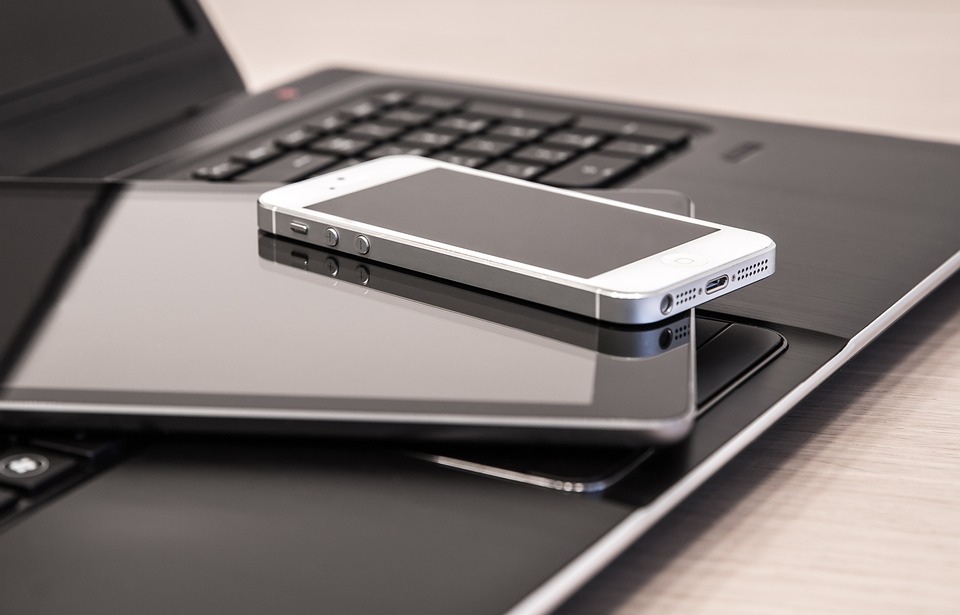
3. **Optimising for Mobile**: 72% of the UK population use their mobile phones to access the internet. Therefore, ensuring your website is mobile friendly not only broadens your reach, but significantly improves user experience. Responsive design adapts to different screen sizes, ensuring your website is equally accessible on desktop, tablet, or mobile.
4. **Leveraging Visual Elements**: A picture, as they say, is worth a thousand words. Good quality, relevant images, and well-placed videos can do more than just brighten up your website; they offer the viewer a quick understanding of your key messaging. Infographics, diagrams, or any visual representation of your offering can work wonders in retaining users’ attention.
5. **Implementing Live Chat**: Consider embedding live chat into your website. This offers visitors immediate assistance, signalling an efficient and customer-centric service. Today’s consumers are impatient and value real-time addressal of their queries. A live chat accomplishes just that and greatly enhances the overall UX.
6. **Building Trust Through Transparency**: Extend the ethos of your company into the digital realm. Testimonials, certifications, or accreditation from known bodies can help users trust your brand. Being transparent about your manufacturing process, corporate social responsibility initiatives, and clearly stating your privacy policies can go a long way in fostering trust.
Enhancing UX on your manufacturing website isn’t a quick task nor a one-time exercise, but a continual process you should commit to for the long haul. The rewards, however, are significant. With a well-designed, user-friendly website, you can bettere engage your visitors, boosting the overall credibility and success of your business in the competitive UK manufacturing sector.
Sure, let’s consider the fictional British manufacturing firm, SteelSmith Ltd., that wanted to enhance the user experience on their website. SteelSmith, known for its ethical manufacturing processes, high-quality products, and customer-centric approach, has a strong presence in the physical market, but their online presence didn’t reflect this adequately. They noticed heavy bounce rates and quick exit times which indicated it was time for a revamp.
**Understanding Customer Behaviour**: To understand their website visitors better, SteelSmith started analysing their site metrics. They learned that one of their most visited pages was their “Our Process” page. However, users spent less time there than expected. The page was text-heavy and did not convey the uniqueness of their eco-friendly manufacturing process effectively. They realised their audience had a keen interest, but the delivery was not engaging enough.
**Streamlining Navigation**: SteelSmith decided to make its navigation more intuitive by introducing a sitemap and a refined menu. They categorised their product range and consolidated the menu, reducing its breadth. This enabled their customers to find relevant products more easily.
**Optimising for Mobile**: They realised a significant part of their traffic was from mobile users. They invested in responsive web design to ensure a homogeneous experience across devices. This brought a decrease in their previously high mobile bounce rate.
**Leveraging Visual Elements**: To address the issue of the “Our Process” page, they reshaped the content into a visual story. They used videos and infographics to simplify their manufacturing process. This made it more digestible for a wide array of their audience and improved session times.
**Implementing Live Chat**: To emulate the excellent customer service they offered offline, they embedded a live chat function on their site. This allowed them to address queries in real time and provide an immediate, personalised response.
**Building Trust Through Transparency**: The ethos of SteelSmith was ethical manufacturing. They decided to showcase their certifications and accreditations prominently on their homepage. They also provided an in-depth look into their manufacturing via a “behind the scene” video, strengthening their trust factor.
SteelSmith’s case shows us that improving UX is not just about flashy designs and cool features. It’s about understanding your users, adapting to their needs, and incorporating your brand’s essence into your website. Remember, a website is an extension of your brand, and it should echo the same commitment to quality, service, and customer satisfaction. Implementing the above steps helped SteelSmith improve their bounce rate, session time, and overall user engagement, ensuring a thriving online presence in an increasingly digital world.
7. **Crafting a Compelling Call-to-Action (CTA)**: A compelling CTA is crucial, inviting users to take some sort of action after visiting your website. Whether it’s contacting your team, downloading a brochure or scheduling a tour of your manufacturing facility, this invitation can convert passive visitors into active prospects or clients. Your CTA should be clear, concise and easy to locate on your site. Remember, every visitor interaction with your CTA is an opportunity to convert them into a potential client.
By following these expert tips, you can turn your manufacturing website into a powerful marketing tool that not only brings in users but also earns their trust and inspires them to take action. The role of digital presence and UX in business success cannot be overemphasised, especially in the competitive British manufacturing sector. Start optimising your website today for an even brighter business future.
“Begin transforming your website’s user experience today – reach out to our UX experts for a tailored strategy that drives engagement and growth in the UK manufacturing industry.”