


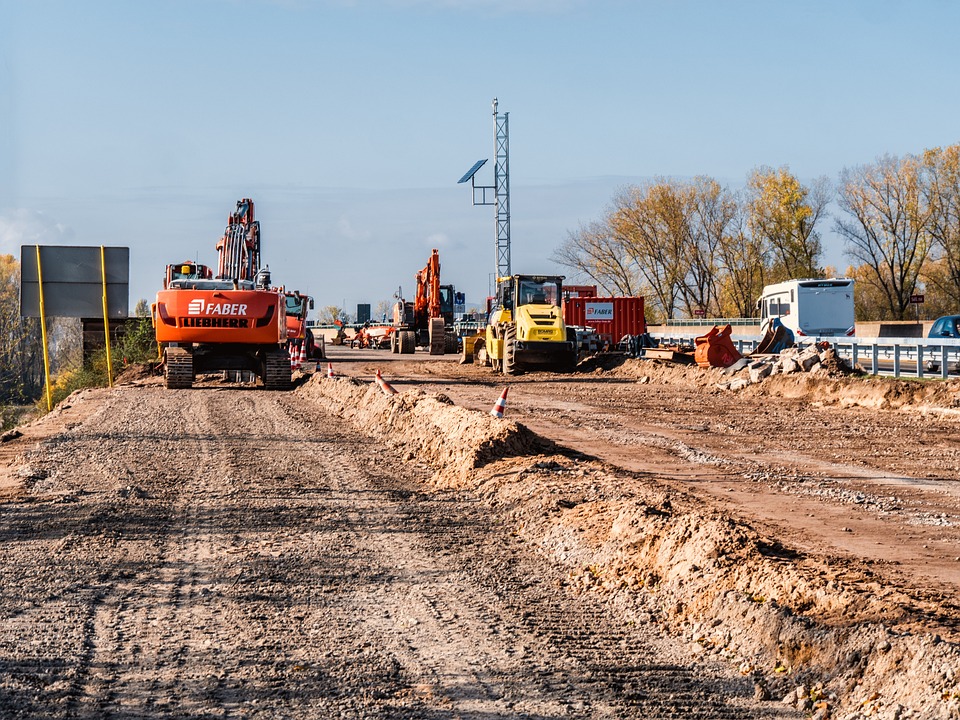
From Blueprints to Clicks: Why Construction Websites Need Exceptional UX Design
In the world of construction, working with steel, concrete, brick, and mortar is a familiar domain. Every piece of land gets transformed into a meaningful structure through the mastery of engineering know-how and generations-old craftsmanship. A construction project, no matter of what magnitude, starts with a blueprint — a master plan that guides the builders from conception to completion. Interestingly, this philosophy of starting with a blueprint applies not only in the construction of physical structures but also in the digital realm.
The digital world, often considered an alien landscape by many in the construction industry, is just another site that needs to be developed. It matters intensely how construction companies present themselves online, and a significant aspect of this online presence is their company website.
For any industry, particularly those in the construction business, websites are no longer just digital brochures— they are powerful platforms to showcase skills, build trust, and generate business. However, like the edifices they build, a company’s website also requires carefully crafted features and a user-friendly design—an exceptional User Experience (UX) design—to make every visitor’s journey seamless and engaging.
UX design and blueprints share a common attribute—they both aim for an optimal user journey. On a construction site, well-executed blueprints facilitate the workers to create a building that’s not only aesthetically pleasing but also safe and functional. Similarly, in web design, an impactful UX design allows users to navigate through a website smoothly and intuitively, enhancing their overall interaction with the brand.
Construction websites, then, need to transition ‘from blueprints to clicks’. Here’s why:
1. **Strengthens Brand Perception**: Construction is a profession rooted in precision, attention to detail, and commitment to quality work. When your company’s website mirrors these values through clear, user-friendly navigation, useful information, and visually pleasing design, it reinforces your brand’s image in the visitor’s mind.
2. **Instills Trust**: Your website is often a client’s first contact with you. A meticulously designed website, with easy accessibility to important information, can establish trust and credibility. It communicates that, as a company, you are committed to delivering top-tier experiences, regardless of the platform.
3. **Facilitates Business Generation**: Exceptional UX design prioritizes functionality and ease-of-use. It optimizes the customer journey on your website, resulting in visitors staying longer, engaging more, and converting into leads. With straightforward handling of service listings, project portfolios, pricing, testimonials, and contact forms, you are likely to generate more significant customer traction and thereby, boost your business.
4. **Stimulates Word-of-Mouth Marketing**: A website with an impressive UX design is likely to encourage visitors to share their positive online experience with others, thereby leveraging the power of digital word-of-mouth marketing.
5. **Adapts to Mobile Users**: In an era when a significant amount of web browsing is done on mobile, a responsive UX design ensures that your site looks and functions optimally on all devices.
In essence, exceptional UX design serves as the digital blueprint that guides your online visitors through a constructive journey. By bridging the gap between physical construction and digital design, construction companies can reinforce their brand, cultivate customer trust, drive online traffic, and ultimately, convert clicks into tangible contracts.
In conclusion, the successful construction of a building isn’t much different from the successful construction of a website. Both rely on precision, careful planning, customer-centric design, and attention to detail. Just as the construction industry understands the value of a well-drafted blueprint, it is time to recognize the significance of an outstanding UX design to construct a compelling digital presence. From blueprints to clicks, it’s time to build remarkable experiences both offline and online.
Introduction
In our digital-dominated era, no industry can afford to ignore the rising significance of user experience (UX) in website design. For construction companies, the website is often the first port of call for potential clients, partners, and employees. An easy-to-use, informative, and responsive website is no longer a luxury; it’s a necessity.
Case Study 1: Hensel Phelps
Consider the US-based company, Hensel Phelps. Formerly their website was cluttered, difficult to navigate, and failed to effectively highlight their extensive portfolio of projects. After a complete revamp centered around enhancing UX, the site now possesses intuitive menus, interactive project galleries, and responsive design for mobile viewers. The resulting spike in web traffic and new business enquiries are testament to the power of a UX-optimised website.
UX Elements: Navigation & Responsiveness
The navigation of a construction company website needs to be as structurally sound and clear as the buildings they create. Every page should be accessible in a few clicks, and the layout should be intuitive. Mobile responsiveness is also critical. With over 50% of all online searches occurring via mobile devices, a website that doesn’t display correctly on mobile platforms is likely to lose potential clients and damage the company’s professional image.
Practical Examples
The website of UK-based construction company, Balfour Beatty, is a stellar example of an intuitively navigated, mobile-responsive site. With bold, visible calls-to-action, comprehensive dropdown menus, and a mobile-optimized design, the site facilitates easy user interaction regardless of the device being used.
Actionable Strategies
An actionable strategy that can be implemented is to conduct a thorough audit of your existing site, taking into account its current strengths and weaknesses. Using analytics tools like Google Analytics and Hotjar can provide valuable insights, revealing bounce rates, user flow, and pain points. By understanding how visitors are interacting with your site, you can make informed decisions to enhance its UX.
UX Elements: Content & Visual Design
In construction, visuals are paramount. Up-to-date project portfolios, photographs, and videos should be featured prominently to showcase your company’s skills and accomplishments. Well-written and engaging content also helps portray the company’s expertise and values, leading to better user understanding and trust.
Practical Examples
Turner Construction’s website underlines the importance of using high-quality visuals and engaging content. Their project gallery is visually striking and showcases their diverse capabilities. Moreover, their well-penned blogs provide valuable insights into the industry, positioning them as thought-leaders in the construction domain.
Actionable Strategies
Enlist the services of professional photographers and writers. High-quality visuals will capture users’ attention, while compelling content will retain it. Additionally, consider implementing a UX-optimized content management system (CMS) like WordPress, which allows non-technical staff to update content and portfolios easily.
Conclusion
Exceptional UX design can empower construction companies to convert site visitors into customers, employees, and long-term partners. By assuring easy navigation, mobile responsiveness, and engaging content, they can provide an immersive user experience that builds trust, showcases expertise, and ultimately drives business growth.
By continuing to leverage digital marketing expertise and drawing on website analytics for UX enhancements, construction companies can position themselves as leaders in both the built and digital landscapes.