Introduction
In an ever-evolving digital landscape, the integration of innovative technologies has become paramount to staying ahead in the competitive world of architecture marketing. One such technology that has taken the industry by storm is virtual reality (VR). This article aims to enlighten British firms on the significance and applicability of VR in their marketing efforts, showcasing the immense potential it holds for transforming the way architecture is showcased and experienced. So, fasten your seatbelts as we embark on a thrilling journey into the future of architecture marketing!
The Power of Immersion
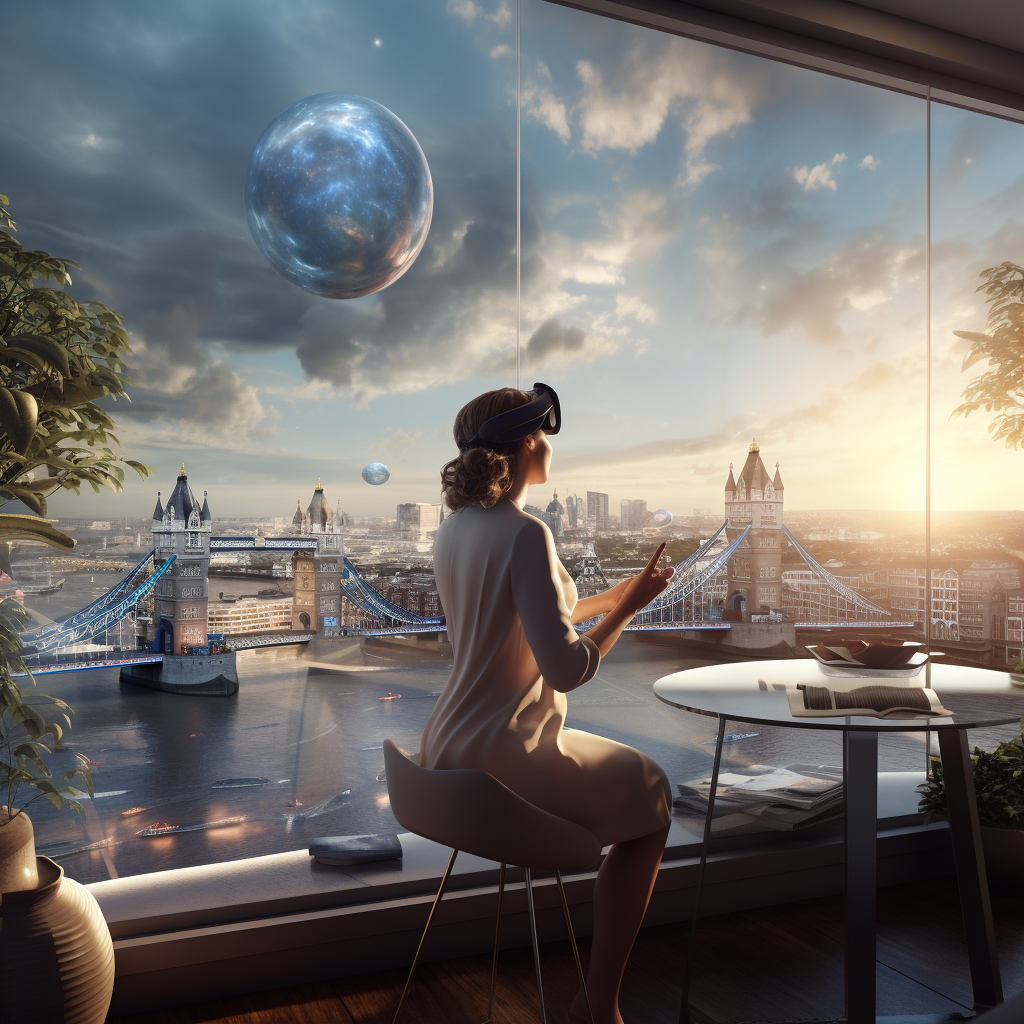
Virtual reality enables architects to breathe life into their designs like never before. Gone are the days of static presentations and two-dimensional renderings—VR allows potential clients to step into a virtual world where designs can be explored from every angle, creating a truly immersive experience. This level of engagement not only captivates clients but also allows them to visualize spaces in a profound and meaningful way, ultimately paving the path for more informed decision-making.
Interactive Showcases
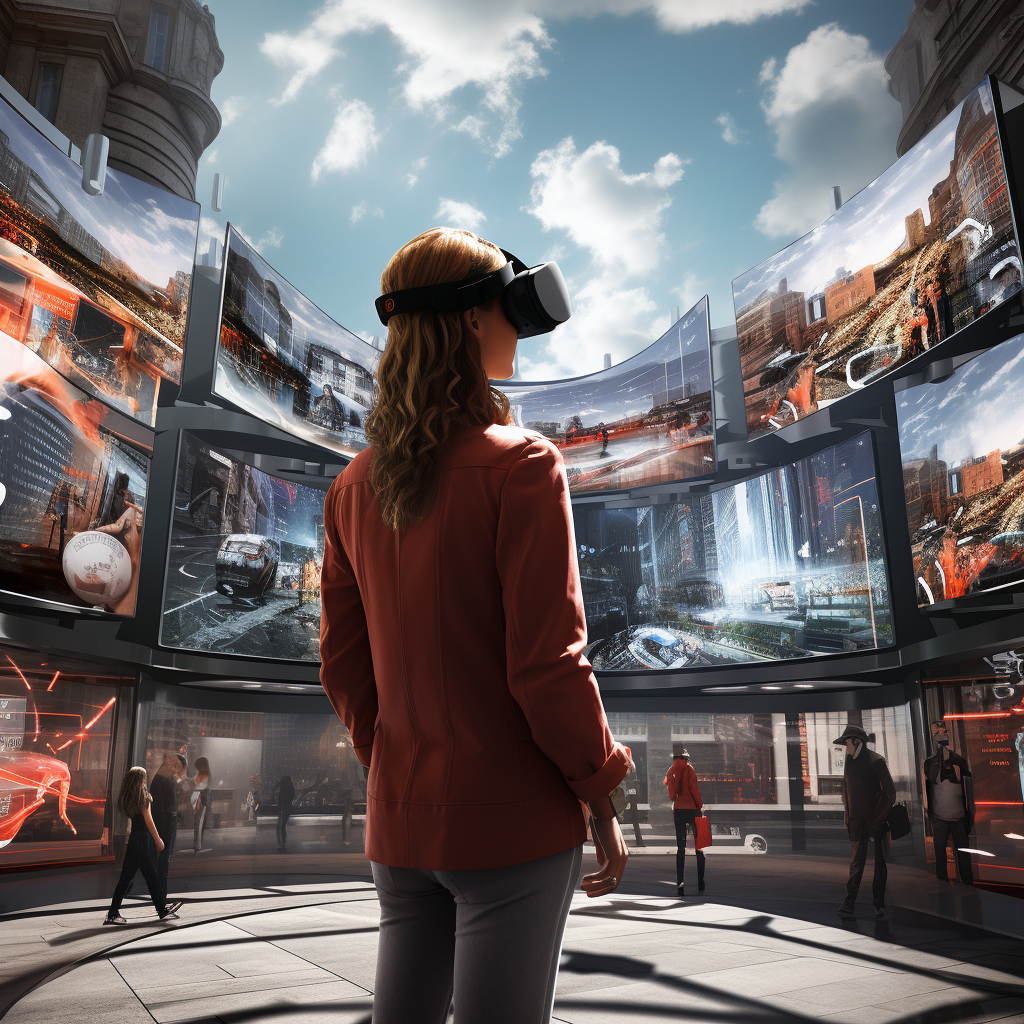
Traditional marketing methods often struggle to effectively communicate the true essence of a building or architectural design. However, VR offers a dynamic and interactive platform for firms to showcase their projects. By using VR, British architects can create interactive virtual tours that transport potential clients directly to the heart of their creations. From exploring interior spaces to experiencing panoramic views, VR enables an unprecedented level of interaction, leaving a lasting impression and fostering a deeper emotional connection with the project.
Efficient Stakeholder Engagement
The introduction of VR in architecture marketing is revolutionizing stakeholder engagement. With the ability to visualize the full scope of a project in a virtual environment, architects can collaborate more effectively with clients, investors, and other stakeholders. VR technology allows for real-time adjustments, significantly reducing misunderstandings and costly revisions. By bringing all key players together in a virtual world, decisions can be made faster, more accurately, and with greater confidence.
Expanding Reach and Enhancing Accessibility
Gone are the limitations of physical distance and travel restrictions. VR transcends these barriers, allowing architects to showcase their designs to potential clients, investors, and industry peers from anywhere in the world. This opens up exciting possibilities for British firms, enabling them to present their work at international exhibitions remotely and significantly expanding their reach to a global audience. Additionally, VR technology promotes inclusivity by offering accessible experiences for individuals who may face physical limitations or challenges.
Enhanced Marketing Campaigns
VR is not only transforming the way architecture is presented but also revolutionizing marketing campaigns. By incorporating interactive VR experiences into their promotional material, British firms can create a buzz that captures the attention of their target audience. Engaging and immersive VR content can be shared across various digital platforms, effectively increasing brand visibility and driving organic traffic to their websites. VR experiences shared through social media channels have the potential to go viral, ensuring a wider audience and establishing architects as pioneers in the field.
Conclusion
Virtual reality has emerged as a groundbreaking tool in architecture marketing, presenting a myriad of opportunities for British firms to captivate clients and industry stakeholders. With its ability to provide immersive experiences, foster collaboration, and transcend traditional limitations, VR is set to revolutionize the way architecture is presented, experienced, and marketed. Embracing VR technology is not only a game-changer for British architects but also a gateway to an exciting future where creativity knows no bounds.
So, grab your VR headset and take that step into the future of architecture marketing—where possibilities are boundless and success awaits those who dare to innovate.

Case Study: XYZ Architects
XYZ Architects, a leading architecture firm based in the UK, sought to enhance their marketing efforts and differentiate themselves from competitors in a crowded marketplace. They recognized the potential of virtual reality (VR) and decided to leverage this game-changing technology to transform their architecture marketing strategy.
To showcase the power of VR, XYZ Architects decided to create an immersive virtual tour of one of their most prestigious projects, a high-rise luxury apartment complex in London. They understood that potential clients often struggled to fully grasp the grandeur and unique features of such a project through traditional marketing methods alone.
Using cutting-edge VR technology, XYZ Architects created a virtual reality experience that allowed potential clients to step into the apartment complex and explore every aspect of its design. Interested parties were provided with VR headsets, enabling them to move freely within the virtual space and experience the project as if they were physically present.
The virtual tour showcased not only the stunning architecture of the building but also the meticulously designed interiors, from the luxurious lobby area to the elegantly furnished apartments. Users could interact with the environment, opening doors, looking out of windows with panoramic views, and even changing the time of day to experience the breathtaking sunset views offered by the complex.
The immersive nature of the VR experience captivated potential clients, enabling them to visualize themselves living in the apartments and understand the unique selling points of the project. This level of engagement fostered a deeper emotional connection with the development, significantly increasing the likelihood of converting potential leads into clients.
Furthermore, XYZ Architects recognized the power of social media in driving brand visibility and engagement. They created bite-sized virtual reality experiences from the larger virtual tour and shared them across various digital platforms, including Instagram, Facebook, and YouTube. These captivating VR snippets quickly went viral, attracting a wide audience and positioning XYZ Architects as pioneers in the field of architecture marketing.
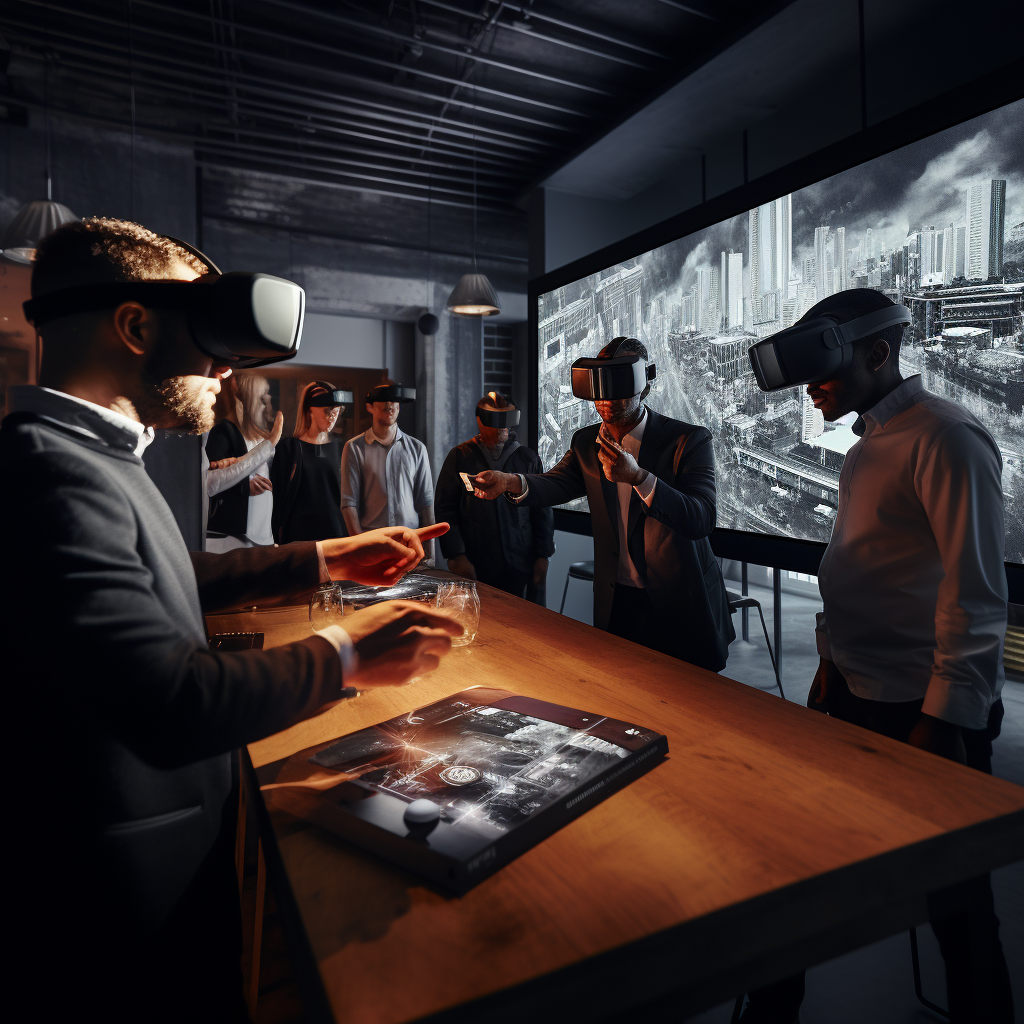
The success of the VR marketing campaign went beyond capturing the attention of potential clients. XYZ Architects also leveraged the virtual reality experience to enhance stakeholder engagement. They organized virtual meetings with investors and other key stakeholders, using the VR technology to present their designs and gather valuable feedback in real-time. This collaborative environment facilitated faster decision-making and reduced the need for costly revisions.
By embracing VR technology, XYZ Architects not only enhanced their marketing campaigns but also expanded their reach globally. They were able to present their projects at international architecture exhibitions remotely, reaching potential clients and industry peers that were previously out of reach. This resulted in increased brand visibility, a larger client base, and exciting opportunities for growth.
Practical Advice and Actionable Strategies
- Invest in High-Quality VR Technology: To create a truly immersive experience, it is crucial to invest in high-quality VR technology. This includes VR headsets, powerful computers, and advanced rendering software. Choosing the right technology will ensure that your virtual reality experiences are realistic and impactful.
- Create Interactive and Engaging Experiences: Take advantage of the interactive capabilities of VR to allow users to explore and interact with your designs. This level of engagement will leave a lasting impression and facilitate a deeper emotional connection with your projects.
- Leverage Social Media: Utilize social media platforms to share bite-sized VR experiences and create a buzz around your projects. Engaging and immersive content has the potential to go viral, increasing brand visibility and driving organic traffic to your website.
- Foster Collaboration with Stakeholders: Use VR technology to collaborate effectively with clients, investors, and other stakeholders. Virtual meetings and presentations allow for real-time adjustments and faster decision-making, reducing misunderstandings and costly revisions.
- Embrace Global Reach: Take advantage of the accessibility and inclusivity offered by VR technology. Showcase your designs to a global audience by presenting your work at international exhibitions remotely. This will expand your reach and open up opportunities for growth and expansion.
By implementing these strategies, architecture firms in the UK can harness the power of virtual reality to revolutionize their marketing efforts, captivate clients, and stay ahead in the competitive landscape of architecture marketing.
Conclusion
Virtual reality has emerged as a groundbreaking tool in architecture marketing, presenting a myriad of opportunities for British firms to captivate clients and industry stakeholders. With its ability to provide immersive experiences, foster collaboration, and transcend traditional limitations, VR is set to revolutionize the way architecture is presented, experienced, and marketed. Embracing VR technology is not only a game-changer for British architects but also a gateway to an exciting future where creativity knows no bounds.
So, grab your VR headset and take that step into the future of architecture marketing—where possibilities are boundless and success awaits those who dare to innovate.
Now is the time for British firms to embrace virtual reality and harness its power to transform their marketing efforts. Don’t miss out on the immense potential VR holds for showcasing your designs, engaging clients, and expanding your reach. Contact us today to explore how our VR solutions can revolutionize your architecture marketing campaigns and propel your firm to new heights. Together, let’s step into the future of architecture marketing and unlock a world of possibilities.
Experience the future of architecture marketing with virtual reality. Contact us now to explore the immense potential VR holds for transforming your designs and captivating clients. Don’t miss out on this game-changing opportunity!