


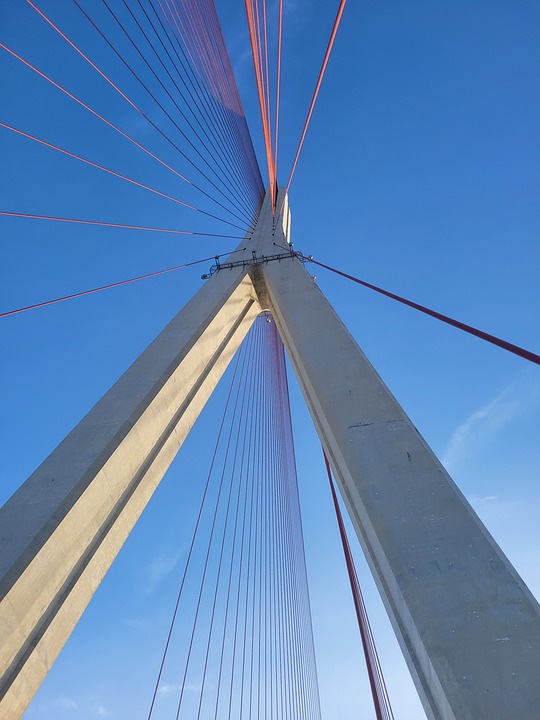
The dawn of the digital era has transformed the platform of marketing and communication, gracing businesses with a juncture where customer exploration is both expedient and boundless. At the vanguard of this digital evolution rests social media—the modern architect’s blank canvas waiting to be transformed into a blueprint of success. Therefore, let us delve into the architecture of a foolproof social media strategy—a blueprint to social media success for architects, the incumbent need of the hour.
The structure for social media success springs fundamentally from a profound comprehension of its significance. It is an undisputed fact that social media has become a paramount vehicle for sculpting an architect’s professional persona. However, its value extends beyond merely projecting existing work—like steel reinforcements strengthening the core of a structure, an effective social media strategy can solidify an architect’s industry relationships, broaden their professional network, and provide unprecedented access to a global audience.
The foundation of a successful social media strategy is underpinned by three preceding pillars—content quality, audience engagement, and strategic visibility. Architects should view their social media platforms as virtual galleries, housing the best representations of their work. High-quality images, thought-provoking comments on design principles, and insights into your working process are invaluable content that piques audience interest and reflects your professional prowess and sector knowledge.
Audience engagement is equivalent to an architect’s client consultations. Your followers’ feedback, comments, likes, and shares are important gauges of their interests and preferences. Use these as a rudder to guide your content strategy, tailoring your posts to appeal to your audience while reflecting your architectural style. Regular interactions, whether by responding to comments or addressing inquiries, humanizes your brand and fosters a sense of community around your practice.
Visibility is the architectural marvel, seen from every street corner, drawing every eye in its proximity. Strategic visibility in social media hinges on understanding and leveraging SEO best practices. Integrated keywords, backlinks, consistent posting, and hashtags increase your online visibility, helping your content reach more architects, design enthusiasts, and potential clients. SEO practices essentially work as your online lighthouse by ensuring your content is discoverable amidst the vast sea of information.
Delving into specific social media platforms, LinkedIn provides an excellent platform for networking, Twitter allows rapid dissemination of short updates or news, Instagram showcases your visual work, and Facebook allows customer interaction. Architects must choose the platforms that best align with their practice and audience, applying the principles of quality content, audience engagement, and SEO strategically across each platform for maximum results.
Lastly, remember that constructing a social media presence, like architecture, is not an overnight process. Patiently laying brick by brick, including high-quality content, audience interactions, and SEO strategies, will take time. But, the result will be as remarkable as a meticulously crafted architectural marvel, standing tall amidst the city skyline, mirroring your architectural talent and social media competence.
The blueprint to social media success for architects showcases the transformative potential of adapting to this digital marketing tool. As the age-old adage resonates, “Rome wasn’t built in a day”—so keep persevering, keep building, and watch as your architectural practice thrives in the social media panorama.
Case Study: The Transformation of ArchiExchange’s Social Media Presence
Examining the success story of ArchiExchange, a leading architectural firm that effectively managed to increase their clientele, brand visibility, and establish their authority in the industry through a strategic social media initiative, perfectly illustrates the power of such platforms for architects.
ArchiExchange was a well-established firm with an impressive portfolio, but they struggled to capture attention beyond their immediate client pool. They identified social media as their prospective platform for broadened visibility and robust client engagement.
#1. Clarifying Goals and Target Audience
Initially, ArchiExchange aimed to generate a larger audience, foster client relations, and showcase their expertise. Their primary targets were potential clients, industry peers, and architecture enthusiasts.
#2. Developing a Unique and Vibrant Brand
ArchiExchange worked on developing a unique and recognizable voice online. This involved consistently incorporating their branding elements like logo and color schemes into their social media posts, and ensuring their content was always reflective of their core architectural philosophies.
#3. Selecting Relevant Platforms and Posting Strategically
Facebook, LinkedIn, and Instagram emerged as ArchiExchange’s primary social media platforms, each serving a unique purpose. Facebook was used for company updates, LinkedIn for thought leadership and professional networking, while Instagram was used to showcase project pictures and design inspirations. The firm posted during peak user-activity hours to maximize engagement.
#4. Engaging Content
ArchiExchange began to share behind-the-scenes content, transformative before-and-after project photos, as well as time-lapse videos of ongoing projects. This exclusive content primed followers into regular visitors, thus driving continuous engagement.
#5. Interaction and Consistency
ArchiExchange made a point to engage with comments, questions, or messages on their social media regularly, giving their followers a sense of personal connection. They also maintained consistency in posts, ensuring they provided fresh content for their followers consistently.
#6. Social Media Advertising
When ArchiExchange developed a grasp over their social media management, they started optimizing their posts for SEO and investing in targeted ads. Remarkably, paid adverts on Facebook and Instagram led to a 30% spike in their website traffic.
After a year, ArchiExchange experienced a tangible upsurge in their client inquiries, website traffic, and engagement rate, affirming the power of an optimized social media presence. Their success elucidates the blueprint for architects, reinforcing the potential for growth and connectivity social media platforms offer when used strategically, consistently, and creatively.
The ArchiExchange case study exemplifies how a well-considered and professionally managed social media approach can directly impact architects’ success. It is no longer an optional add-on but a necessary channel for self-promotion, relationship-building, and industry reach-expansion.
“Ready to elevate your architectural brand with powerful social media strategies? Don’t waste another moment! Dive into our proven Blueprint to Social Media Success for Architects and start transforming your online presence today!”
“According to a report from Visual Objects, over 90% of small businesses plan to invest in social media platforms. As architects, tapping into this trend not only increases visibility but fosters a deeper connection with the potential client base, making social media an essential tool in the modern architect’s toolkit.”